When travelers dream of Safari in African Tanzania, images of vast plains dotted with wildlife, dramatic predator hunts, and ancient migration routes come to mind. Tanzania embodies these dreams more completely than perhaps any other destination on Earth. This East African nation has earned its reputation as the ultimate safari destination through an unmatched combination of protected wilderness, extraordinary biodiversity, and experiences that connect visitors with nature’s most primal rhythms.
Why Tanzania Stands Apart
Tanzania’s geography spans from the Indian Ocean coastline to the peaks of Africa’s highest mountains, encompassing ecosystems that range from coral reefs to alpine moorlands. Between these extremes lie the savannahs, woodlands, and wetlands that have become synonymous with the African safari experience. The country maintains more than 38 percent of its territory under formal protection, creating wildlife corridors and conservation areas that allow animals to move freely across landscapes as they have for millennia.
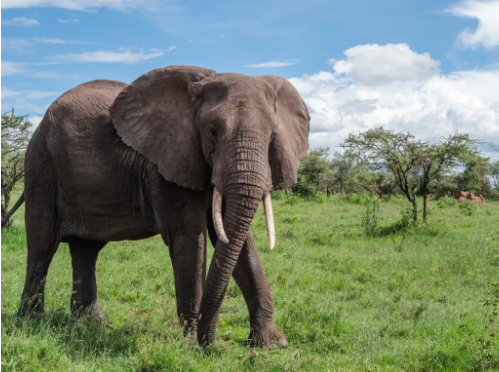
This commitment to conservation has yielded remarkable results. Tanzania hosts the largest populations of several iconic African species, from elephants traversing ancient migration routes to lions ruling over territories that span hundreds of square kilometers. The country’s diverse habitats support over 430 mammal species and more than 1,100 bird species, creating opportunities for wildlife encounters that few destinations can match.
What truly distinguishes safari in Africa Tanzania from alternatives elsewhere is the sense of untamed wilderness that pervades even heavily visited parks. Despite decades of tourism development, Tanzania has preserved the wild character of its landscapes, maintaining the authentic safari atmosphere that draws visitors from around the globe seeking genuine connections with nature.
The Serengeti Ecosystem: Nature’s Greatest Show
The Serengeti represents the archetypal African landscape, a seemingly endless expanse of golden grasslands punctuated by scattered acacia trees and granite kopjes rising like islands from the plains. This 30,000-square-kilometer ecosystem functions as a single integrated unit where wildlife movements follow seasonal patterns established long before humans walked upright.
The annual wildebeest migration defines the Serengeti for many visitors, and justifiably so. Each year, approximately 1.5 million wildebeest, accompanied by hundreds of thousands of zebras and gazelles, complete a circular journey through the ecosystem in pursuit of fresh grass and water. This movement creates spectacular scenes throughout the year as massive herds stretch to the horizon, their collective bellowing audible for kilometers.
The migration reaches its most dramatic moments during river crossings, when desperate animals plunge into crocodile-infested waters while predators wait in ambush on the opposite bank. These crossings occur primarily between July and October in the northern Serengeti, though exact timing varies annually based on rainfall patterns and grazing conditions. The chaos of these crossings—panicked animals churning through swift currents, crocodiles erupting from the depths, and exhausted survivors scrambling up muddy banks—creates scenes of raw survival that leave witnesses profoundly moved.
Yet the Serengeti offers far more than migration spectacles. The resident wildlife populations would make this world-class safari destination even without the seasonal influx of migratory herds. Large lion prides control territories across the plains and kopjes, their social structures and hunting behaviors providing endless fascination. The Serengeti supports one of Earth’s highest concentrations of these apex predators, with an estimated 3,000 lions roaming the ecosystem.
Leopards inhabit the riverine forests and rocky kopjes, their solitary nature and nocturnal habits making encounters particularly special. Cheetahs utilize the open grasslands perfectly suited to their hunting strategy, accelerating to speeds exceeding 100 kilometers per hour during pursuits that often end within seconds. Spotted hyenas, far from being mere scavengers, prove to be formidable hunters operating in coordinated clans that can number over 100 individuals.
Ngorongoro Conservation Area: The World’s Largest Volcanic Caldera
Ngorongoro Crater stands as one of Africa’s most remarkable geological features and most productive wildlife habitats. When a massive volcano collapsed inward millions of years ago, it created a caldera whose steep walls now contain what functions essentially as a natural zoo, though one where all inhabitants roam completely free across a self-contained ecosystem.
The descent into the crater provides one of safari’s most memorable moments. As vehicles navigate the steep track down the inner wall, the landscape unfolds below like a revelation—a patchwork of grasslands, forests, swamps, and lakes teeming with wildlife. The crater floor sits 600 meters below the rim, creating microclimates that support exceptional biodiversity despite the relatively small area.
Approximately 25,000 large mammals reside permanently within the crater, creating wildlife densities that ensure productive game viewing regardless of season. The permanent water sources and fertile volcanic soils sustain resident populations that don’t need to migrate, making the crater one of Tanzania’s most reliable wildlife destinations.
Black rhinoceros populations in Ngorongoro represent one of Tanzania’s conservation success stories. While these critically endangered animals have disappeared from much of their former range, the crater maintains a viable population that offers visitors realistic chances of observing these prehistoric-looking creatures. Sightings aren’t guaranteed, but patient visitors frequently encounter rhinos grazing in the open grasslands or wallowing in muddy pools.
The crater’s lions have adapted to their semi-enclosed environment in unique ways, developing genetic characteristics and behaviors distinct from populations elsewhere. Large-tusked elephants, predominantly males, move between the crater floor and the surrounding highlands, while massive buffalo herds graze the lush grasses that grow year-round thanks to reliable water availability.
Tarangire National Park: Where Giants Roam
Tarangire National Park receives less international recognition than the Serengeti or Ngorongoro, yet it delivers safari experiences that equal or exceed its famous neighbors, particularly during the June through October dry season. The Tarangire River provides the park’s defining feature, sustaining a narrow green corridor through otherwise parched landscape during the driest months.
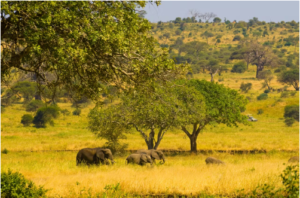
As surrounding areas desiccate during the dry season, wildlife concentrates in Tarangire in extraordinary numbers. The park becomes legendary for elephant encounters during these months, with daily sightings of herds numbering in the hundreds becoming routine. These massive gatherings create opportunities to observe complex elephant social dynamics—matriarchs leading extended family groups, young males engaging in play fights, newborn calves sheltering beneath their mothers, and solitary bulls in musth seeking mating opportunities.
The landscape itself creates Tarangire’s distinctive character. Massive baobab trees dominate the scenery, their swollen trunks and gnarled branches creating silhouettes that define the African aesthetic. Some of these giants have stood for over a millennium, witnessing countless generations of elephants passing beneath their branches. During dry season desperation, elephants strip baobab bark to access moisture-rich tissues beneath, leaving characteristic scars that chronicle decades of interaction.
Tarangire’s wildlife diversity extends well beyond elephants. The park supports healthy populations of lions, leopards, and cheetahs, with predator sightings occurring regularly as carnivores follow concentrations of prey animals. Less common species including fringe-eared oryx, gerenuk, and greater kudu inhabit Tarangire in numbers rarely seen elsewhere in northern Tanzania. The park’s diverse habitats—from permanent swamps to open grasslands to thick woodland—create niches for specialized species that thrive in specific conditions.
Lake Manyara: Jewel of the Rift Valley
Lake Manyara National Park demonstrates that exceptional safari experiences don’t require vast territories. This compact park squeezes remarkable ecological diversity into a narrow strip between the dramatic Rift Valley escarpment and Lake Manyara’s alkaline waters. Multiple distinct habitat zones transition seamlessly from groundwater forest to acacia woodland to open grassland to lake shore, each supporting characteristic wildlife communities.
The park’s tree-climbing lions have achieved international fame, drawing visitors hoping to witness this unusual behavior. While lions in several African populations occasionally climb trees, Manyara’s lions display this habit with sufficient frequency to make sightings realistic during extended visits. Theories explaining this behavior range from avoiding ground-level insects to seeking cooling breezes to gaining elevated vantage points for spotting prey, though no single explanation fully accounts for why this behavior occurs more commonly here than elsewhere.
The groundwater forest near the park entrance creates lush conditions that contrast sharply with surrounding savannah. Clear streams flow year-round, supporting dense vegetation that harbors troops of baboons, blue monkeys, and shy bushbuck. This forest gradually transitions to acacia woodland where elephants browse and giraffes stretch their long necks to reach high foliage.
Lake Manyara itself transforms seasonally based on rainfall, expanding during wet periods and contracting during dry seasons. When water levels rise, thousands of lesser and greater flamingos congregate to feed on algae blooms in the alkaline waters, creating scenes of extraordinary beauty as pink masses of birds wade through shallows backed by dramatic escarpment walls. The park’s bird diversity exceeds 400 species, including migrants from Europe and Asia during certain seasons, making this essential territory for ornithologists.
Southern Circuit: Tanzania’s Hidden Wilderness
Most safari itineraries concentrate on northern parks due to their accessibility and guaranteed wildlife viewing, but Tanzania’s southern circuit offers equally impressive experiences for travelers willing to invest additional time and effort. Ruaha National Park and Nyerere National Park provide authentic wilderness encounters where human presence remains minimal and wildlife behaves with natural wariness.
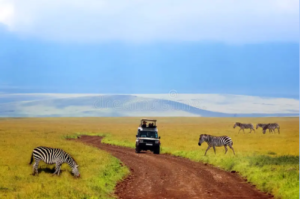
Ruaha National Park encompasses over 20,000 square kilometers of rugged terrain where the Great Ruaha River creates a lifeline through harsh landscape. During dry season months, this river attracts enormous concentrations of elephants, buffalo, and other herbivores desperate for water. The spectacle of thousands of animals converging on shrinking pools creates scenes reminiscent of Africa’s past when megafauna dominated every landscape.
Ruaha’s isolation has preserved its wild character more completely than more accessible parks. Multi-day safaris here provide genuine expedition feelings, with vast territories explored in solitude rarely experienced in northern parks. The predator populations, including large prides of lions and healthy numbers of leopards and cheetahs, follow the concentrations of prey, creating excellent opportunities for observing natural predator-prey dynamics.
Nyerere National Park, recently renamed from Selous Game Reserve, covers an enormous area in southern Tanzania and offers activity diversity impossible in most northern parks. Walking safaris, conducted with armed rangers who share intimate knowledge of tracking and bush craft, provide completely different perspectives than vehicle-based game drives. Moving through the landscape on foot creates heightened awareness of smaller creatures, medicinal plants, animal tracks, and the constant vigilance required to safely navigate wild spaces.
Boat safaris along the Rufiji River add yet another dimension to the safari experience. Observing hippos and crocodiles from water level provides perspectives impossible from land, while waterbirds including African skimmers, kingfishers, and fish eagles pursue their lives along the river margins. These varied activities combine to create comprehensive wilderness experiences that engage visitors more completely than traditional game drives alone.
Planning Your Tanzania Safari Journey
Successful safari experiences begin with thoughtful planning that considers personal preferences, budget constraints, and desired experiences. The first major decision involves choosing between Tanzania’s northern and southern circuits, each offering distinct advantages.
The northern circuit provides superior accessibility, more accommodation options across all price ranges, and guaranteed year-round wildlife viewing. The concentration of world-famous parks within relatively small areas allows visitors to experience multiple ecosystems during single trips. This circuit works ideally for first-time safari-goers and those with limited time.
The southern circuit appeals to experienced safari enthusiasts seeking remote wilderness and varied activities. These parks require more time to access and operate seasonally during dry months, but they reward visitors with solitude, authentic expedition atmospheres, and comprehensive experiences including walking and boat safaris alongside traditional game drives.
Seasonal considerations significantly impact safari quality and character. The dry season from June through October provides classic safari conditions with concentrated wildlife, minimal vegetation obstruction, and the northern Serengeti river crossings. This period attracts peak tourist numbers and commands premium accommodation pricing, but the exceptional wildlife viewing justifies these drawbacks for many visitors.
The wet season from November through May offers different advantages. The landscape transforms into lush greenery, temperatures moderate, and tourist numbers decline dramatically, creating opportunities for intimate wildlife encounters without crowds. The southern Serengeti’s calving season during January and February produces spectacular predator action as newborn wildebeest attract lions, leopards, cheetahs, and hyenas in concentrated areas.
Bird enthusiasts should strongly consider wet season visits when Palearctic migrants join resident species, dramatically increasing diversity. The explosion of new plant growth following rains attracts herbivores, while predators exploit opportunities presented by vulnerable young animals learning to navigate their dangerous world.
Choosing Accommodation and Safari Style
Tanzania’s mature safari industry offers accommodation spanning every comfort level and budget category, ensuring accessibility for diverse travelers. Understanding options helps match accommodation to personal preferences and financial parameters.
Luxury lodges occupy spectacular locations with views over wildlife-rich landscapes, providing five-star amenities that include gourmet dining, swimming pools, spa treatments, and spacious suites with private viewing decks. These properties employ expert guides, maintain well-equipped safari vehicles, and ensure every aspect of the experience meets exacting standards.
Tented camps range from permanent installations with solid foundations and plumbing to mobile camps that relocate seasonally to follow wildlife movements. Despite canvas construction, many tented camps rival permanent lodges for comfort while maintaining closer connection to surrounding wilderness. The experience of falling asleep to lion roars and waking to dawn choruses of birds creates immersive encounters impossible in sealed buildings.
Mid-range options provide comfortable accommodation, competent guiding, and good food at accessible price points. These lodges and camps eliminate luxury extras while maintaining standards that ensure enjoyable, memorable safaris. This category makes Tanzania accessible to travelers unable or unwilling to pay premium pricing but still seeking quality experiences.
Budget camping safaris utilize public campsites within national parks, providing essential facilities at minimal cost. While comfort decreases compared to lodges, the fundamental safari experience—wildlife viewing with knowledgeable guides in spectacular landscapes—remains essentially similar regardless of where you sleep.
Conservation and Sustainable Travel
Tanzania’s wildlife faces ongoing pressures despite impressive conservation achievements. Human population growth creates increased demand for land, water, and natural resources, often bringing communities into conflict with wildlife. Elephants damage crops, predators kill livestock, and dangerous animals occasionally threaten human lives, creating legitimate grievances among rural populations.
Responsible safari tourism provides powerful economic arguments for conservation by demonstrating wildlife’s value to local communities. Park entry fees fund ranger salaries, anti-poaching patrols, and habitat management. Employment in tourism lodges, camps, and support services provides income alternatives to activities that degrade wildlife habitat. Community development projects funded by tourism revenues build schools, clinics, and water infrastructure that improve quality of life for people living alongside protected areas.
Choosing operators committed to sustainable practices ensures your safari spending supports conservation rather than undermining it. Research operator credentials, read reviews from previous clients, and ask specific questions about conservation contributions, community partnerships, and environmental practices. Many lodges actively participate in conservation projects, from wildlife monitoring to anti-poaching support to environmental education programs.
Conclusion
Safari in Africa Tanzania offers more than extraordinary wildlife encounters, though those alone would justify the journey. It provides connection to wild places where natural processes still govern life and death, where ancient migration routes remain unbroken, and where the majesty of creation remains visible in ways increasingly rare on our crowded planet.
From the thunder of wildebeest hooves during river crossings to the intimate moment when a leopard’s golden eyes meet yours, from elephants moving like gray ghosts through baobab forests to lions roaring defiance at approaching dawn, Tanzania delivers experiences that transcend ordinary travel. These encounters remind us of our place in nature’s grand tapestry and inspire commitment to preserving wild spaces for future generations.
Planning thoughtfully, choosing responsible operators, and approaching the experience with open hearts ensures your Tanzania safari becomes among life’s most treasured memories. The wild landscapes and magnificent creatures await, ready to share their world with those who venture to this extraordinary corner of Africa.
Key Takeaways
- Tanzania dedicates over 38 percent of its territory to wildlife conservation, creating Africa’s most extensive protected area network supporting free-ranging wildlife populations across interconnected ecosystems
- The Serengeti ecosystem hosts the Great Migration involving 1.5 million wildebeest plus hundreds of thousands of zebras and gazelles moving continuously through the landscape following seasonal rainfall patterns
- Ngorongoro Crater functions as a self-contained ecosystem where 25,000 large mammals reside permanently within the 260-square-kilometer caldera, creating exceptional wildlife density and year-round viewing reliability
- Tarangire National Park concentrates extraordinary elephant numbers during dry season months when the Tarangire River becomes the primary water source for wildlife across vast surrounding territories
- Northern circuit parks offer superior accessibility, diverse accommodation, and guaranteed wildlife viewing, making them ideal for first-time visitors and those with limited time available
- Southern circuit parks including Ruaha and Nyerere provide remote wilderness experiences with walking safaris and boat safaris adding dimensions impossible in northern parks
- Dry season from June through October delivers optimal game viewing conditions with concentrated wildlife, though wet season offers lush landscapes, fewer tourists, and spectacular calving season predator action
- Accommodation options span from budget camping to ultra-luxury lodges, making Tanzania safaris financially accessible across different budget levels while maintaining quality experiences
- Professional guides dramatically enhance safari quality through wildlife knowledge, tracking expertise, and behavioral understanding that maximizes encounters while ensuring safety
- Responsible tourism directly supports conservation efforts by funding park operations, providing community economic benefits, and demonstrating wildlife’s economic value to local populations
Frequently Asked Questions
What is the best month to visit Tanzania for safari?
The optimal month depends on specific priorities. July through October provides peak dry season conditions with concentrated wildlife, dramatic Serengeti river crossings, and excellent general game viewing, though tourist numbers peak and prices reach their highest. January and February offer the spectacular wildebeest calving season in the southern Serengeti with intense predator activity. June and November represent shoulder seasons with good wildlife viewing, fewer tourists, and moderate pricing. March through May brings heavy rains making some areas challenging but offering dramatic discounts for budget-conscious travelers.
How many days should I spend on safari in Tanzania?
Most safari experts recommend minimum five to seven days for northern circuit itineraries allowing adequate time in the Serengeti, Ngorongoro Crater, and one or two additional parks without feeling rushed. Longer trips of 10 to 14 days permit exploration of southern parks or combination itineraries including Zanzibar beach extensions. While three to four-day safaris provide introductions to Tanzania’s wildlife, they often feel hurried given significant travel distances between parks and airports.
Is Tanzania safari expensive compared to other African countries?
Tanzania safari costs generally exceed those in some neighboring countries but remain comparable to premium destinations like Botswana. Budget safaris start around $200-300 per person daily, mid-range options run $400-600 daily, while luxury experiences exceed $1,000-2,000 daily. These rates typically include accommodations, meals, park fees, game drives, and professional guides. The higher costs reflect Tanzania’s world-class wildlife concentrations, well-maintained infrastructure, and commitment to sustainable low-impact tourism that preserves wilderness character.
Can families with young children go on Tanzania safaris?
Many Tanzania safari operators welcome families with children, though policies vary by property and some maintain minimum age requirements ranging from six to twelve years. Private safari vehicles and family-specific accommodations provide flexibility for traveling with children. The educational value of wildlife encounters creates memorable family experiences, though parents should honestly assess whether children’s temperaments suit long game drives requiring patience and quiet behavior. Some lodges offer specialized children’s programs with junior ranger activities and age-appropriate wildlife education.
What vaccinations are required for Tanzania?
Yellow fever vaccination is mandatory only for travelers arriving from yellow fever endemic countries, though many travelers obtain it regardless for entry into other African nations. Recommended vaccinations include hepatitis A and B, typhoid, rabies for those with extensive outdoor exposure, and routine immunizations including tetanus, measles, and polio. Malaria prophylaxis is strongly advised for most safari areas below 1,800 meters elevation. Consultation with travel medicine specialists eight to twelve weeks before departure allows adequate time for multi-dose vaccine series.
Are Tanzania safaris safe for tourists?
Tanzania maintains excellent safety records for safari tourists. Wildlife encounters follow established protocols prioritizing guest safety, and serious incidents occur extremely rarely. Professional guides understand animal behavior and maintain appropriate distances ensuring encounters remain safe for both visitors and wildlife. The primary health concern involves malaria risk in lowland areas, easily mitigated through prophylactic medication and insect repellent. Crime targeting tourists remains minimal in major safari areas. Standard precautions including using registered operators, securing valuables, and following guide instructions ensure safe, enjoyable experiences.
What should I pack for a Tanzania safari?
Essential items include neutral-colored clothing in khakis, olives, and beiges that don’t attract insects or stand out to wildlife, lightweight long-sleeved shirts and pants for sun and insect protection, warm layers for cool early morning game drives, wide-brimmed hat, quality sunglasses, high-SPF sunscreen, DEET-containing insect repellent, comfortable walking shoes, and quality binoculars. Camera equipment should include telephoto lens in the 200-400mm range for wildlife photography. Most lodges provide laundry services, reducing luggage requirements. Soft-sided bags work best as many lodges require light aircraft transfers with weight restrictions.
Can I see all Big Five animals in Tanzania?
Tanzania offers excellent opportunities for observing all Big Five species during properly planned safaris. Lions, elephants, and buffalo are encountered regularly in most major parks. Leopards require more patience but are seen frequently, particularly in the Serengeti, Tarangire, and during night drives where permitted. Black rhinoceros remain endangered and challenging to find, though Ngorongoro Crater provides Tanzania’s most reliable rhino viewing opportunities. Most visitors on week-long northern circuit safaris successfully observe at least four of the Big Five, with rhino sightings dependent on luck and time spent in Ngorongoro.
