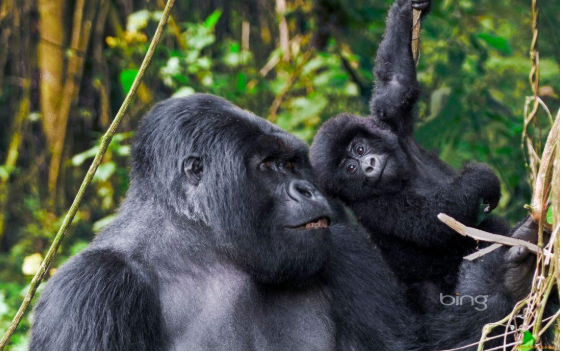
Few journeys deliver the quiet power of a gorilla trip. You rise early, pull on muddy boots, and follow trackers through dripping highland forest. Then the vegetation parts, and a family of wild mountain gorillas is simply there, feeding, grooming, and watching you with calm curiosity. For one hour, the world narrows to a silverback’s slow gaze and the rustle of leaves.
Gorilla trips and safaris are now among the most meaningful wildlife experiences in Africa, and they play a real part in protecting the species. This guide explains how these trips work, where to go, what they cost, how to prepare, and how to choose a trip style that fits your time, budget, and interests.
What Are Gorilla Trips and Safaris?
A gorilla trip is any journey built around a permit-based trek to visit a habituated gorilla family. Habituation is a slow process, usually taking two to three years, in which trained trackers and researchers accustom gorillas to the presence of humans so they can be observed safely and without distress.
A gorilla safari is typically a broader, wildlife-focused version of the trip. It may combine the trek with game drives, chimpanzee tracking, boat cruises, birdwatching, and cultural visits. Some travelers want a quick three-day escape built around a single trek, while others plan a multi-week journey across several parks. Both approaches share the same heart: a regulated, low-impact encounter that channels tourism income into conservation.
Where Can You See Mountain Gorillas?
Wild mountain gorillas live in only three countries, all within the Albertine Rift region.
Uganda
Uganda holds roughly half of the world’s mountain gorillas. Bwindi Impenetrable National Park, a UNESCO World Heritage Site, offers several trekking sectors, including Buhoma, Ruhija, Rushaga, and Nkuringo, each with its own character and gorilla families. Mgahinga Gorilla National Park, in the Virunga range, is smaller and quieter. Uganda is a strong choice if you want a broad range of lodges, a more moderate permit price than Rwanda, and the option to add chimpanzees, tree-climbing lions, and the Nile.
Rwanda
Volcanoes National Park is about two to three hours by road from Kigali, which makes Rwanda ideal for short trips and travelers who value convenience. The country is known for safety, organization, and a high-value, low-impact tourism model. Permits cost more, but the experience is smooth, and the surrounding region offers golden monkeys, crater hikes, and the Dian Fossey trail.
Democratic Republic of Congo
Virunga National Park offers a wilder, more adventurous atmosphere against a dramatic volcanic backdrop. Security conditions can change, so check current government advisories and book only with experienced operators who have strong safety procedures.
How a Gorilla Trek Works
Most trekking days follow a similar rhythm.
- Briefing. Rangers meet visitors at park headquarters in the morning, explain the rules, and assign each group to a gorilla family.
- The hike. Groups of up to eight visitors set out with a guide, trackers, and armed rangers. The walk can last under an hour or stretch to several hours, depending on where the gorillas spent the night.
- The hour. Once you find the family, you have one hour to watch, listen, and take photographs from a respectful distance.
- The return. You hike back, often tired, muddy, and elated, and many parks present a certificate of participation.
Because the gorillas roam freely, every trek is different. That uncertainty is part of what makes the experience feel genuine.
Permit Costs and Budgeting
The gorilla permit is the largest single expense on most trips. It is issued by the national wildlife authority and funds anti-poaching patrols, veterinary care, ranger salaries, and community projects around the parks.
Permit prices differ by country. Rwanda has typically been the most expensive, Uganda more moderate, and the DRC often the lowest, but rates, seasonal promotions, and rules can change. Always confirm current prices with the relevant authority or a licensed operator before building your budget.
Beyond the permit, plan for:
- International and domestic flights
- Accommodation and meals
- Ground transport and a driver-guide
- Porters and tips
- Visas and travel insurance
- Optional activities such as chimpanzee tracking or game drives
Ask your operator for an itemized quote so you can compare trips fairly.
Choosing a Trip Style
The quick escape. Three to four days in Rwanda, with one gorilla trek and a night or two near the park.
Gorillas and chimpanzees. Five to seven days combining a gorilla trek with chimpanzee tracking in Kibale (Uganda) or Nyungwe (Rwanda).
Gorillas and big game. Seven to ten days pairing a trek with savannah safaris in Queen Elizabeth, Murchison Falls, or Akagera.
Luxury and honeymoon trips. High-end lodges, private guides, and extra comforts, with time to rest between activities.
Family trips. The minimum trekking age is 15, so families with teenagers can trek together, while younger children enjoy other activities.
Photography trips. Extra trekking days and expert guides improve your chances of strong images in the dim forest light.
Best Time for a Gorilla Trip
Gorillas can be visited all year, but weather shapes the experience.
- Dry seasons (June to September and December to February): Trails are firmer and views are clearer. These months are the busiest, so permits and lodges sell out early.
- Wet seasons (March to May and October to November): Expect more rain and mud, but also fewer visitors, lush scenery, and easier availability. Gorillas often stay lower on the slopes during wet months, which can shorten treks.
Since it is October now, travelers planning for the June to September window should start arranging permits and lodging several months ahead.
Fitness and Preparation
Trekking takes place at altitudes commonly between 2,200 and 3,700 meters, on steep and often slippery ground. You do not need to be an athlete, but you should be able to walk for several hours with some uphill sections. A few weeks of regular walking, stair climbing, or light hiking before departure will make the day more enjoyable.
Hiring a porter is a smart decision. Porters carry your bag, offer a steadying hand on difficult sections, and earn income that supports local families. If you have mobility concerns, tell your operator early so guides can request a family that is likely to be easier to reach.
What to Pack
- Waterproof hiking boots with ankle support
- Long-sleeved tops and long trousers in muted colors
- A lightweight rain jacket or poncho
- Gloves for gripping branches and avoiding stinging plants
- A hat, sunscreen, and insect repellent
- A camera or phone without flash, plus spare batteries
- A refillable water bottle and snacks
- A small daypack
Dress in layers. Mornings can be chilly, but the climb warms you up quickly.
Rules That Protect the Gorillas
Gorillas share a large proportion of their DNA with humans and can catch our illnesses easily, so the rules are strict.
- The minimum age for trekking is 15.
- Stay about seven meters from the gorillas.
- Keep your voice low and movements slow.
- Do not use flash photography.
- Do not eat, drink, or smoke near the animals.
- Visitors with colds, flu, or other contagious illness may be refused entry.
- Cover your mouth and turn away if you cough or sneeze.
If a gorilla approaches you, stay calm, avoid direct eye contact, and follow your guide’s instructions.
Choosing a Trustworthy Operator
Your operator influences nearly everything, from permit security to the quality of your guide. Look for a company that is licensed in the country where you will trek and that gives a clear, itemized price. Read recent independent reviews, ask how permits are booked, and understand the date-change and cancellation policy before paying a deposit.
Responsible operators hire local staff, choose lodges that benefit nearby communities, and follow park rules on group size and wildlife distance. Be cautious about companies that quote permits far below the official rate, promise a specific gorilla family, or pressure you to pay without documentation.
Why Your Trip Matters for Conservation
Mountain gorillas were once pushed toward extinction by poaching, habitat loss, and disease. Protected areas, daily monitoring, veterinary care, and community partnerships have helped their numbers recover, and the species is now classified as Endangered rather than Critically Endangered. Tourism is central to that success. When local communities gain jobs, schools, clinics, and a share of permit revenue, they have strong reasons to protect the forest. A responsible gorilla trip is therefore both a personal adventure and a direct contribution to conservation.
Conclusion
Gorilla trips and safaris offer a rare combination of adventure, emotion, and purpose. Whether you choose Rwanda for its convenience, Uganda for its variety, or the DRC for its wild character, the essentials remain the same: book early, prepare for the terrain, follow the rules, and travel with a reputable operator. The hike may be demanding, but the hour you spend with wild gorillas is quiet, humbling, and often life-changing. Travel responsibly, and you help ensure that these gentle giants continue to thrive for generations to come.
Key Takeaways
- Mountain gorillas can be visited only in Uganda, Rwanda, and the DRC.
- A trek involves a variable hike followed by one hour with the gorillas.
- Permits are the biggest cost, and prices change, so confirm before budgeting.
- Rwanda suits short, convenient trips, while Uganda offers variety and flexible budgets.
- Dry seasons are busiest, while wet seasons are quieter and greener.
- The minimum age is 15, and visitors must keep about seven meters from the gorillas.
- Moderate fitness, waterproof gear, and a porter make the trek easier.
- Combine your trek with chimpanzees, game drives, or lake stays for a fuller trip.
- Book early with a licensed, transparent operator and buy travel insurance.
Frequently Asked Questions
What is the difference between a gorilla trip and a gorilla safari?
A gorilla trip is any journey built around a gorilla trek. A gorilla safari usually adds more wildlife activities, such as game drives, chimpanzee tracking, and boat cruises.
How many days do I need for a gorilla trip?
Three to four days is enough in Rwanda for a single trek. Seven to ten days allows you to add other wildlife and a slower pace.
Which country is best for gorilla trips?
Rwanda is best for short, convenient trips, Uganda for variety and flexible budgets, and the DRC for adventure with additional security considerations.
How much does a gorilla trip cost?
Costs depend on the country, season, and comfort level. The permit is the largest item, with lodging, transport, and extras on top. Request an itemized quote.
How far in advance should I book?
Four to six months ahead for peak seasons, and earlier for popular dates. Wet-season trips are often easier to arrange at shorter notice.
Is gorilla trekking safe?
Habituated gorillas are calm around people, and rangers accompany every group. The main challenges are the terrain and weather.
How long do you spend with the gorillas?
One hour once you find them. The hike to reach them can take much longer.
Can children go gorilla trekking?
No. The minimum age is 15, so younger children can enjoy other activities nearby.
Can older travelers take part?
Many older travelers trek successfully. Ask for an easier family, hire a porter, and go at your own pace.
Are gorilla sightings guaranteed?
Sightings are very likely because trackers monitor the groups daily, but gorillas are wild animals and no outcome can be promised.
What if I am sick before my trek?
You may be asked not to trek to protect the gorillas. Check refund and rescheduling terms before you book.
