In modern manufacturing, warehousing, and logistics, efficient material handling is essential to maintaining productivity and reducing operational costs. One often overlooked component that significantly improves workflow is the ball transfer units. These devices provide smooth and versatile movement of heavy or awkward loads, making them a critical tool for optimizing material handling processes.
1. What Are Ball Transfer Units?
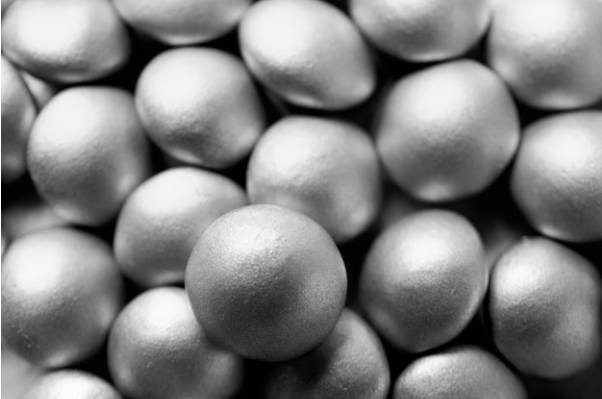
Ball transfer units are mechanical devices consisting of a large load-bearing ball mounted on smaller support balls inside a housing. They allow objects to move freely in any direction with minimal friction, enabling easy rotation, transfer, and positioning of materials on conveyor tables, assembly lines, or workstations.
Their simple yet effective design makes them highly adaptable for a variety of industrial applications, from packaging to assembly operations.
2. Enhancing Workflow Efficiency
One of the primary benefits of using ball transfer units is the improvement of workflow efficiency. In traditional material handling setups, workers often spend significant time lifting, repositioning, or manually pushing items.
Ball transfer units reduce this effort by allowing materials to glide smoothly in multiple directions. This not only speeds up processes but also minimizes the physical strain on employees, improving overall productivity.
3. Versatility in Material Movement
Ball transfer units are versatile in handling different types of loads, including boxes, pallets, machinery, and even delicate items that require careful maneuvering. Because they enable omnidirectional movement, materials can be easily rotated, turned, or redirected without the need for complex machinery.
This flexibility allows businesses to design more efficient production lines and storage layouts, reducing bottlenecks and handling errors.
4. Reducing Damage and Wear
Material handling often leads to product damage, especially when heavy or irregularly shaped items are involved. The smooth, rolling action of ball transfer units minimizes friction and the risk of impact, protecting both products and equipment.
By reducing wear on conveyor surfaces and lifting devices, businesses can lower maintenance costs and extend the life of their equipment.
5. Easy Integration and Maintenance
Another advantage of ball transfer units is their ease of integration into existing systems. They can be installed on tables, conveyor modules, or portable carts with minimal modifications.
Most units are designed for durability and require low maintenance, often only needing occasional cleaning or lubrication. This simplicity makes them an attractive option for businesses looking to enhance efficiency without major infrastructure changes.
6. Cost-Effective Solution
Compared to motorized conveyor systems or robotic handling equipment, ball transfer units are a cost-effective solution for improving material handling efficiency. They offer reliable performance at a fraction of the cost, making them accessible for small and medium-sized businesses as well as large industrial operations.
By optimizing movement and reducing labor requirements, they provide a strong return on investment over time.
Conclusion
Implementing ball transfer units in your material handling processes can significantly improve efficiency, reduce labor, minimize product damage, and enhance overall workflow flexibility. Their simplicity, versatility, and cost-effectiveness make them an essential component in modern industrial and warehouse operations. By incorporating these units, businesses can streamline processes, reduce downtime, and maintain a competitive edge in today’s fast-paced production environments.
